
The Future of Fashion is Sustainable
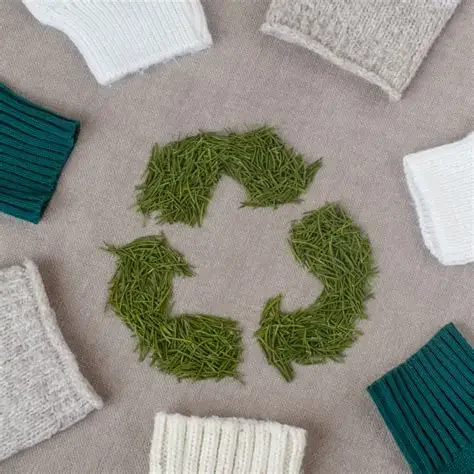
I’ve always loved clothing as a form of self-expression, but recently I’ve started paying closer attention to how it’s made. Fashion is no longer just about trends or aesthetics — it’s becoming about responsibility. Across the industry, I’m seeing designers experiment with recycled fabrics, plant-based materials, and smarter production methods. It’s exciting to witness clothes that are stylish and mindful of the environment, and it makes me feel like being fashionable doesn’t have to come at the planet’s expense.
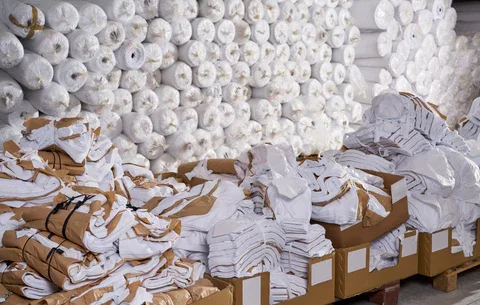
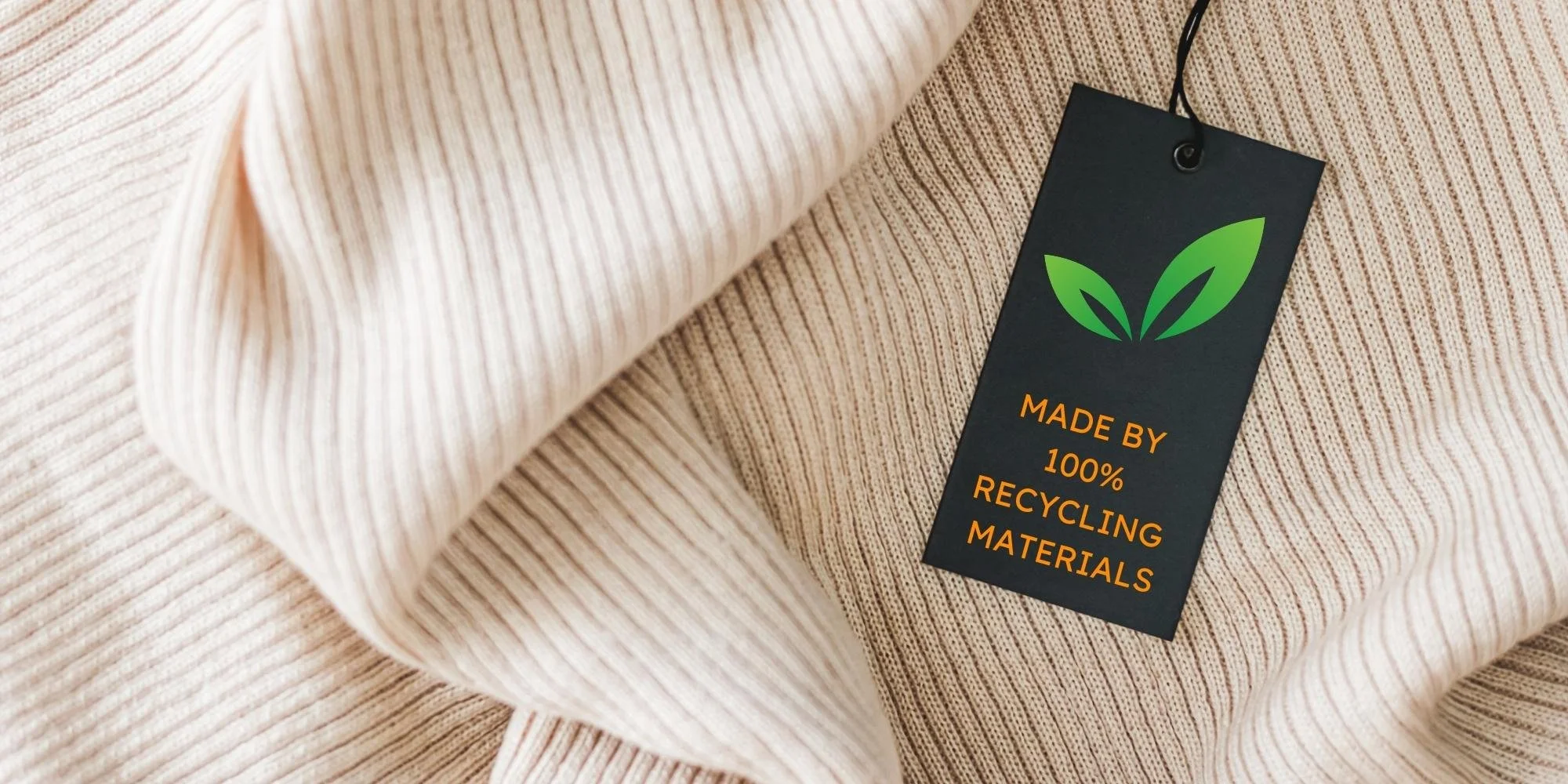
Recycling old materials into new textiles is one of the most tangible changes I’ve noticed. Old t-shirts, plastic bottles, and scrap fabrics are now being transformed into new garments that feel just as good as conventional ones. Choosing clothing made from recycled materials feels like a small but meaningful step toward reducing waste and conserving resources. Every item like this is one less piece ending up in landfills or polluting oceans, and that feels like a win for both me and the planet.
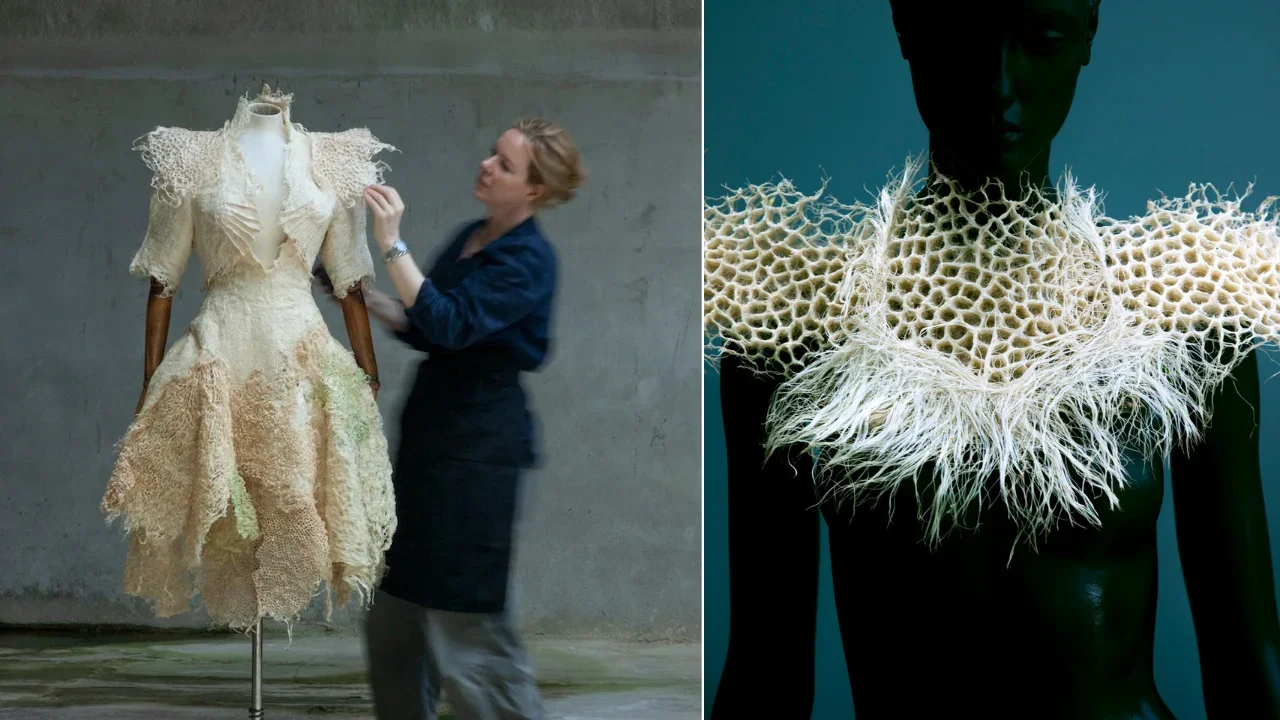
I’m also fascinated by the rise of bio-based fabrics. Mushrooms, pineapple leaves, and other plant-derived materials are starting to replace traditional leather, silk, and cotton. These fabrics aren’t just eco-friendly — they’re durable, innovative, and surprisingly stylish. Wearing something made from these materials makes me feel like I’m part of a bigger change, where clothing is designed to nurture the planet rather than exploit it.
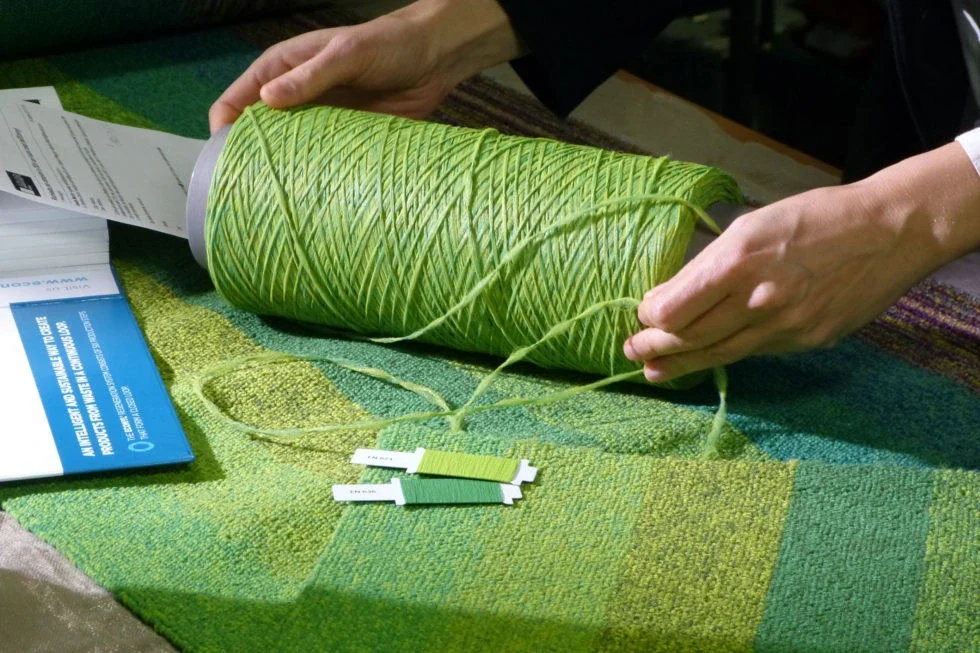
Technology is reshaping fashion, too. Brands are using 3D knitting, on-demand manufacturing, and zero-waste pattern-making to reduce overproduction. That means fewer unsold items, less waste, and garments that fit better and last longer. For someone like me, who loves clothes but hates seeing them wasted, these innovations make shopping feel smarter and more thoughtful. Fashion can finally feel intentional, not just impulsive.
What excites me most is the possibility of mainstream adoption. As recycled and bio-based fabrics become more affordable, and sustainable practices grow more common, eco-fashion is no longer limited to a niche market. It’s becoming accessible for everyone who wants style without compromise. For me, this means I can embrace my love of fashion while making choices that support the planet — and hopefully, if more people do the same, we can shift the entire industry toward a future that’s stylish, ethical, and sustainable.
