
Why Do Fitting Rooms Make You Hate Yourself?
The Fitting Room
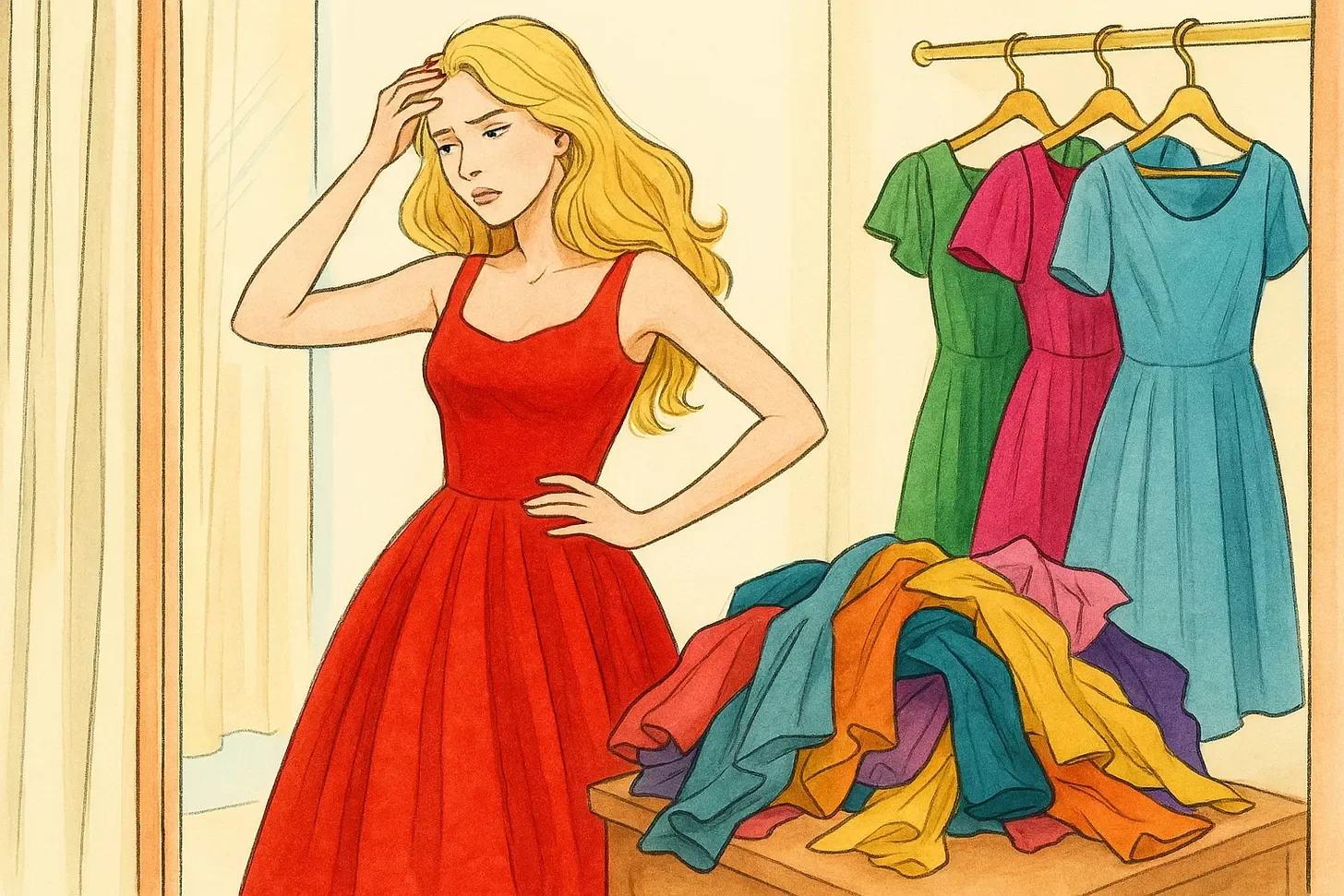
As someone who lives between sizes 14 and 18, I’ve learned that the real challenge of shopping isn’t finding something cute—it’s surviving the fitting room without spiraling. I’ve walked into those tiny rooms at so many different stages of my life: the version of me before puberty fully hit, the changing of weight from using various medications, and being a full-time student with a job, but no matter what, I have just been floating somewhere in fashion purgatory. No matter which version walks in, the mirror always seems eager to point out things I wasn’t even thinking about five minutes before.
MUSE Magazine
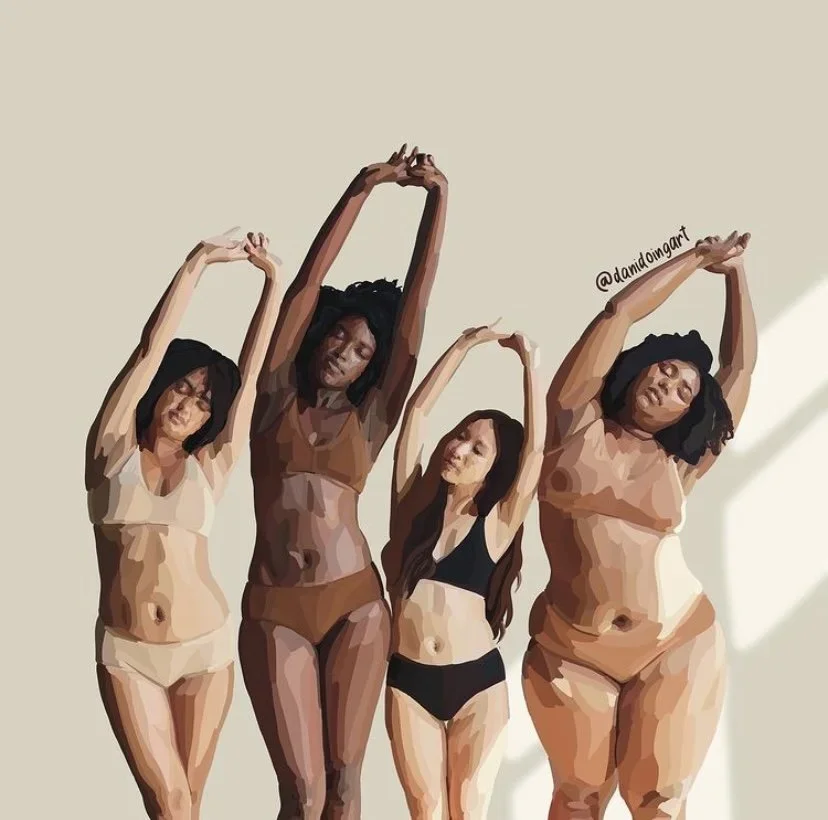
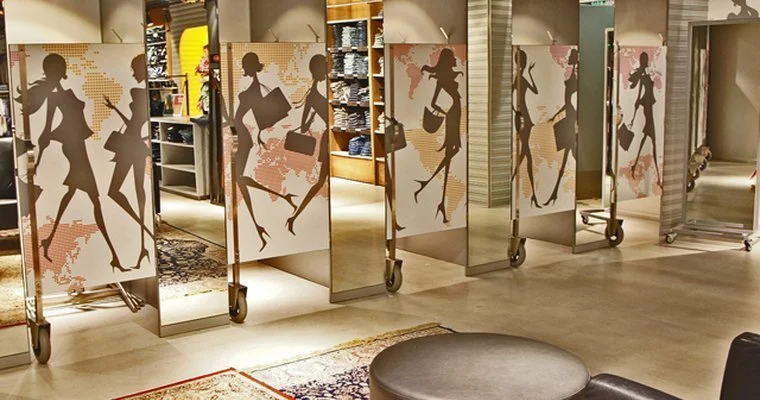
Fitting rooms are honestly engineered for emotional sabotage. The lighting is never flattering, the space feels like a closet built for one wrong move to break your will, and the mirrors are either distorted or so close they eliminate all sense of proportion. You’re sweating, you’re frustrated, and suddenly the jeans that don’t go past mid-thigh feel like a personal failure rather than a reminder that brands design for one body type and one body type only. It’s wild how fast trying on a top can shift into picking apart your entire body like it’s a problem to solve.
Retail CustomerExperience.com
Then there’s the absolute joke that is sizing. A 16 in one store feels like a 12, and a 14 somewhere else fits like a 20, and I’ve stopped pretending there is any logic behind it. I grew up convincing myself that I just needed to “work harder” to fit into the sizes my friends wore, not realizing that clothing sizes were designed to be inconsistent. When your number changes with every brand, every fabric, every season, how are you supposed to trust it? You can’t. The system thrives on confusion, and honestly, it’s easier to blame your body than admit the industry is built on nonsense.
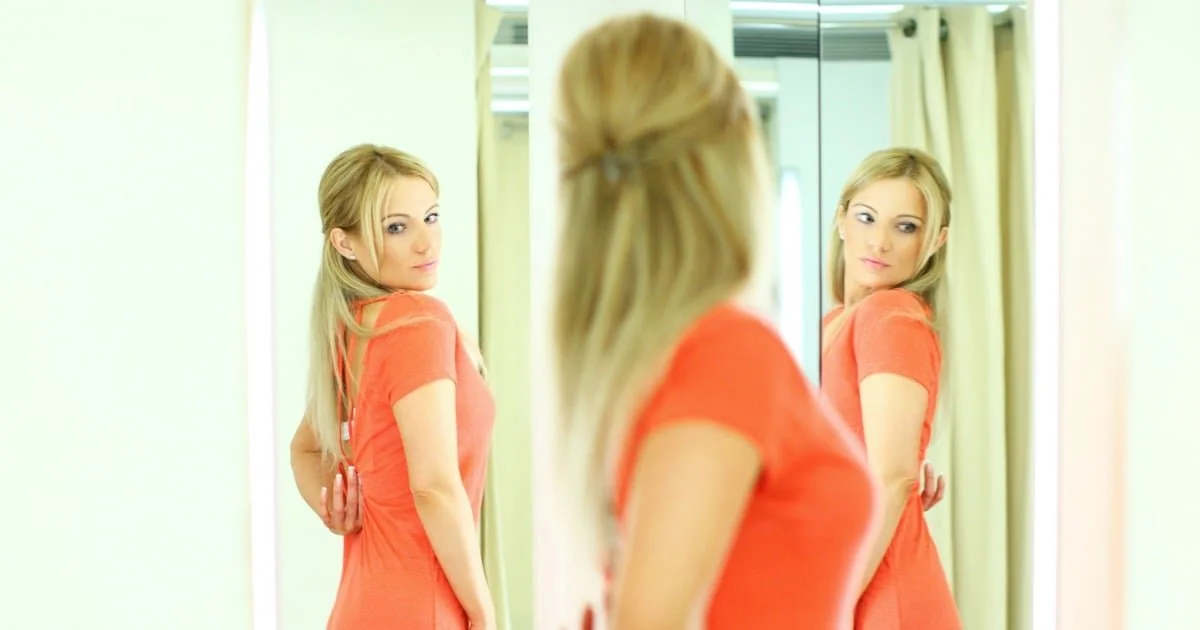
Luxury stores try to distract you with soft lighting and compliments, making you feel like your body suddenly “works” as long as you’re surrounded by velvet curtains and a $700 price tag. Meanwhile, fast-fashion fitting rooms are the opposite: cold, cramped, rushed. But the goal is the same in both places—to get you emotional enough to buy something. They use either comfort or discomfort to push you toward the checkout. When you realize that, it becomes painfully obvious that none of this was ever about your body—it was always about your wallet.
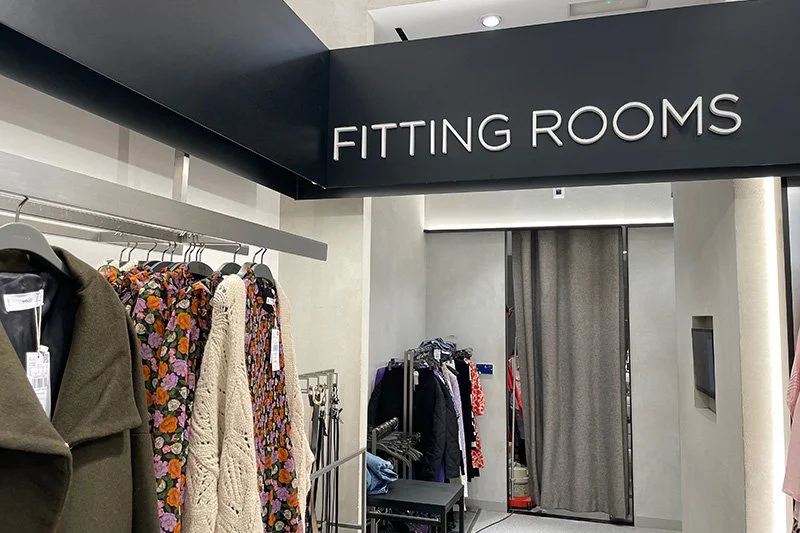
It took me years to understand that my body isn’t the problem—fitting rooms are. My size fluctuates, my weight changes, my shape evolves, and that’s normal for any human being. The fashion industry wants us to believe our bodies should stay frozen in time, but that’s not reality. Now, if something doesn’t fit, I don’t crumble. I don’t spiral. I don’t treat it like a reflection of my worth. I remind myself: The clothes are wrong, not me. And if a room makes me feel small, ashamed, overwhelmed, or alien in my own skin? I walk out. Because nothing about my body needs fixing—sometimes the only thing that needs to change is the room I’m standing in.
